
A clogged plumbing vent usually shows up as gurgling drains, slow fixtures, a sewer smell indoors and a toilet that bubbles when another fixture runs. The vent is the pipe that rises through your wall and out the roof so air can enter the drain system. When that air path is blocked, water cannot flow smoothly, and the pipes start to complain.
This guide is for Carteret, NJ homeowners, landlords and tenants who hear strange noises from their drains and are not sure whether the problem is a clog below or a blocked vent above. We cover the symptoms, a few checks you can do safely, and when the roof and the drain line both need attention.
The symptoms that point to a blocked vent
Every drain pipe needs fresh air behind the water to keep it moving. Think of pouring from a can with one hole: the liquid glugs and slows down. A blocked vent does the same thing inside your walls, and the signs tend to appear together rather than alone.
- Gurgling or bubbling from sinks, tubs or floor drains soon after another fixture drains.
- Several fixtures draining slowly at once, even though each one passes a basic clog test.
- A rotten-egg or sewer smell inside the house, caused by water seals in traps being pulled dry.
- A toilet that bubbles, sucks air or flushes weakly when you run the sink or washer.
- Water in a tub or shower that drains with a sucking sound and leaves a ring of suds behind.
- Drains that work fine for a while after you clear them and then slow down again with no clear cause.
Vent clog or drain clog? A quick way to sort it out
The two problems overlap, which is why people often pay for a drain cleaning that does not fix the noise. This comparison helps you decide which one to describe on the phone.
| What you notice | Points to a vent problem | Points to a drain problem |
|---|---|---|
| Gurgling sound. | Happens even when the fixture drains well. | Comes with standing water in the same fixture. |
| Slow drainage. | Several fixtures on different branches are slow. | One fixture is slow and the others are normal. |
| Sewer smell. | Smell appears with no visible backup. | Smell comes with water rising in a drain. |
| Toilet behavior. | Bubbles when another fixture runs. | Fills to the rim and will not flush. |
| After snaking the drain. | Relief lasts a short time, then returns. | Relief lasts until the next buildup. |
A camera or smoke-style test on site is the only way to be sure, so treat this table as a starting point.
What actually blocks a vent pipe
Vents rarely clog from the inside. Most blockages happen at the top, where the pipe pokes through the roof. Leaves, nests, a tennis ball or the snow and ice of a hard winter can close the opening. In older homes, rusted metal pipe can also collapse inward or narrow with scale over many years.
A vent can also be cut off by a remodel. If a wall was moved, a bathroom added or a basement finished, the vent line may have been bent, capped or tied in the wrong place. In that case the symptoms start after the work, which is a useful clue to share when you call.
Safe checks you can do before you call
These checks take a few minutes and cost nothing. Stay on the ground if the roof is high, wet or icy, and never climb up in bad weather.
Note the pattern.
Write down which fixtures gurgle, when it happens and whether it follows heavy water use such as a washing machine drain.
Run one fixture at a time.
If a single fixture is slow, the clog is probably local. If everything slows together, suspect the vent or the main drain.
Look from the yard.
From the ground, check whether the vent pipe above the roof line is visible and whether anything seems stuck in the opening.
Pour water down the toilet.
Pour a bucket of water into the bowl. A quick, quiet drain suggests the line is clear and the vent is the likelier culprit.
Why a blocked vent should not wait
Gurgling is more than a nuisance. When the vent is blocked, the water seal in each trap can be pulled out, and that seal is what keeps sewer gas out of your rooms. If the smell is strong or persistent, treat it as a sign to call us the same day rather than live with it.
A vent that is only partly blocked can also make a mild drain clog look much worse, which leads people to chase the wrong repair. A short inspection saves money compared with repeated cleanings that never address the real cause.
- Keep a window open and avoid running several fixtures at once until it is checked.
- Do not pour chemical drain opener into a gurgling drain. It does not clear a vent.
- If sewage backs up into a tub or floor drain, stop using water and call the 24/7 line.
How we fix it and when the drain line is involved
For a blocked roof opening we clear the pipe from above or run a cable from the top, then confirm that air moves freely by running water at the fixtures that were making noise. If the pipe has collapsed or been capped, the fix is a short repair or re-route rather than a cleaning.
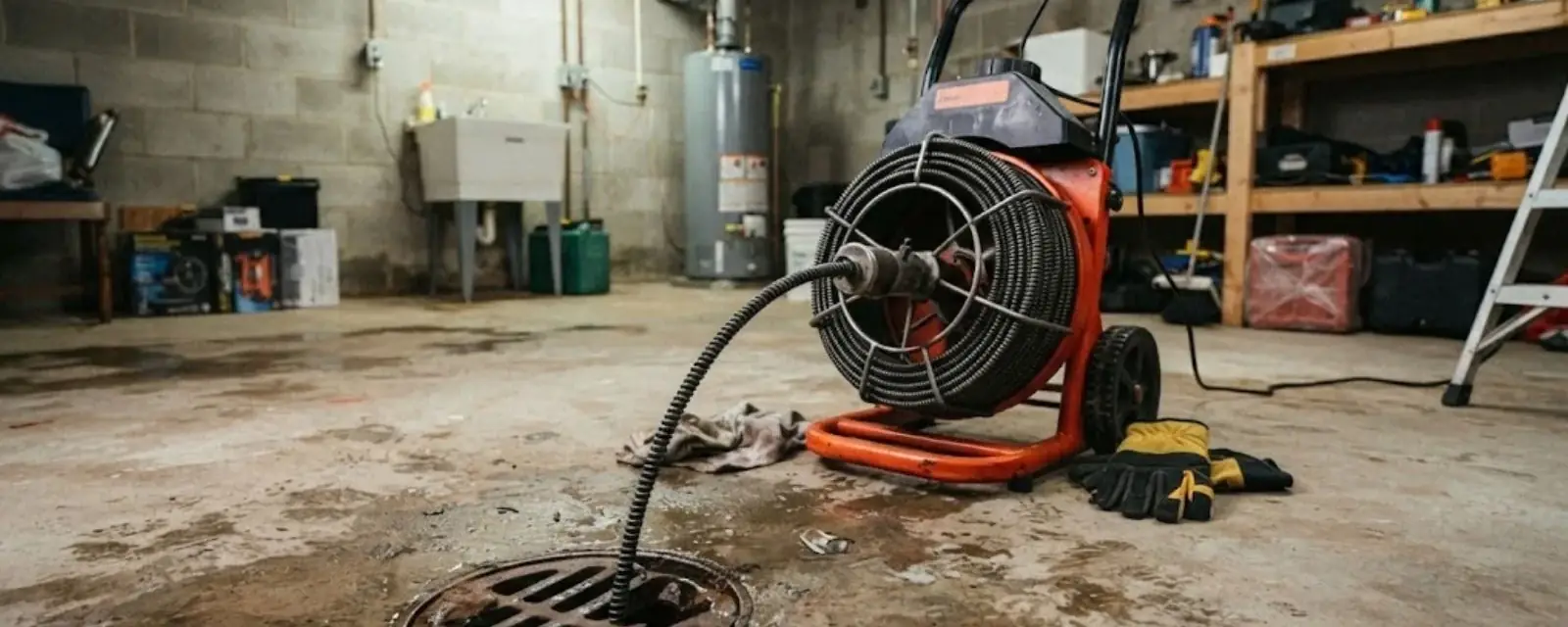
When the vent is clear and the gurgling continues, the real problem is lower down. A stubborn main-line blockage often causes the same sounds, and our drain cleaning team can cable or jet the line and look at it with a camera. For repeat trouble, a sewer camera inspection shows whether a belly or root intrusion is the cause.
Venting, permits and the Carteret construction office
New Jersey adopts the National Standard Plumbing Code through the Uniform Construction Code plumbing subcode, N.J.A.C. 5:23-3.15. That matters for vents because the code sets how fixtures are vented, and moving or re-routing a vent is plumbing work that can need review. A re-vent after a basement remodel is a good example.
In Carteret the Building, Construction and Land Use Department at the Memorial Municipal Building, 61 Cooke Avenue, has plumbing subcode officials who review plans and inspect permitted work. Permit rules vary by job, so ask the borough construction office or your plumber before any vent change.
If you rent, report gurgling and sewer smells to the landlord in writing and keep a note of the dates. A blocked vent is a building defect, not a tenant clog, and roof access is the owner's decision.
Source type: State plumbing code reference and borough construction office information. Sources: NJ Department of Community Affairs: Division of Codes and Standards. Borough of Carteret.
Code and safety references for this topic
Vent sizing and routing follow the National Standard Plumbing Code that New Jersey adopts through N.J.A.C. 5:23-3.15. We do not quote vent sizes from memory, so ask the borough construction office if you are changing any vent piping.
Questions readers ask
Can a clogged vent cause a toilet to flush slowly?
Yes. Without air behind the water, a toilet can flush weakly and gurgle. Test by running a bucket of water into the bowl. If it drains well that way, the vent is more likely than the drain line.
Can I clear a plumbing vent myself?
Sometimes a visible leaf pile at the opening can be removed from a safe, dry roof. Most homeowners should not climb up, and a clog farther down the pipe needs a cable, so call a plumber.
Will a clogged vent make my house smell like sewage?
It can. A blocked vent lets fixtures pull water out of their traps, which opens a path for sewer gas. The smell is a good reason to book a visit instead of waiting for a full backup.
Do rental apartments in Carteret have vent problems more often?
Not necessarily, but about 45 percent of Carteret homes are rented, so many calls start with a tenant. Tell the landlord in writing, and we can give both the tenant and owner the same explanation of what we found.
Do you cover vent and drain noise calls in Port Reading or Avenel?
Yes. Port Reading and Avenel are among our shortest dispatches from Carteret, and we answer the 24/7 line for gurgling, backups and sewer smells.